When it comes to Australia travel safety in 2026, there is no need for panic, just some forethought. For the most part Australia is a safe place to be, yet one can be taken aback by the usual suspects: the heat, the distance, poor reception on a long drive, surf and sun, or the kind of false sense of security postcards put in your head. And then there are the bushfires and the occasional scam.
I am Eliza North and I will give you the short of it: get yourself properly insured, heed official advice prior to departure, have some respect for the beach and the bush, and make plans for conditions as they are, not as you would like them to be. It holds true if you are on a city break in Melbourne or Sydney, putting in the miles on the Stuart Highway, or have let optimism dictate an itinerary that has you chasing red dirt, rainforest and reef in a fortnight.
In this guide I have put together what the traveller needs in a practical way: from Smartraveller and passport requirements for 2026 to health matters, transport risks and how to pack sensibly. We look at Australia beach and bushfire safety 2026, seasonal perils, public Wi‑Fi and emergency numbers. Should you be in two minds over how much structure to put on your trip, put independent and guided options up against each other and view complete tour options before making a commitment.
The Non-Negotiables
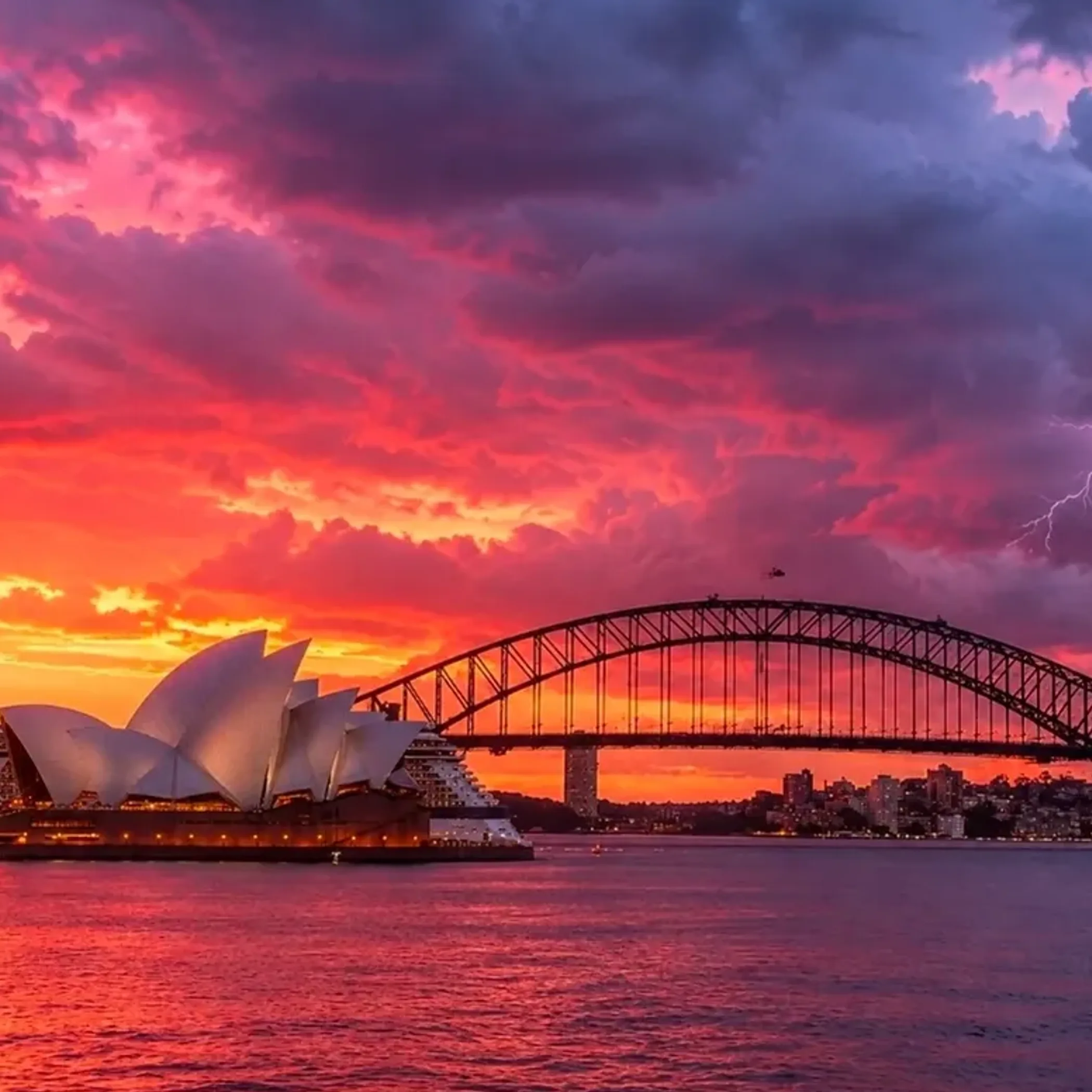
People tend to hurry through this and come to regret it at an insurance counter or airport desk. You do not wait until you have put down your flat white after landing to see if you are safe; a good trip is made at home.
Take four things in hand for your Australia travel in 2026: the validity of your passport, any visa stipulations, your insurance and the official word on advisories. There is nothing to admire about them but they will spare you a good deal of cost and chaos.
Entry, Passport And Visa
You will find the six months rule on a passport confuses some. The airline or a transit country may have their own ideas but Australia’s entry settings are what count, so the prudent thing is to have at least six months’ validity from when you enter. I have seen enough people learn the hard way that being “technically valid” does not mean you will be accepted for travel to call it dramatic.
Your nationality and route will also factor into the 2026 passport requirements. Make sure you verify ETA or visa conditions via the Australian government before you go, and if you are transiting elsewhere, familiarise yourself with their rules. One oversight can put an end to your booking.
Insurance And Advisories Worth Having
Before you set off, and once more ahead of any domestic excursions, see what Smartraveller and the DFAT have to say. This is doubly so in cyclone season or when there is flooding or bushfire activity. An advisory can be altered on a whim by the weather and may pertain to a single region.
DFAT’s Smartraveller piece of advice is to know your entry and safety requirements and keep an eye on local conditions. As for your 2026 travel insurance in Australia, it should be comprehensive: medical, delays, cancellations, rental excess and valuables. Do not go with the basic cover because it is cheap only to find it does not apply to the one thing you were looking forward to. If you plan to ride a motorbike or do some diving or hiking in the back of beyond, read the exclusions.
Sun And Heat
Snakes get all the attention from visitors and the sun is overlooked. Snakes are something to make a drama of, but you are more likely to be done in by dehydration or the heat in the course of a day.
SPF is not a summer only concern in Australia. An overcast day can still burn you and the light coming off the sand or water near by will do its work quicker than you think.
Habits To Get Into
Put on a hat and sunglasses and some clothing that covers you, along with a broad-spectrum SPF 50+ sunscreen and reapply it when the product says to, particularly if you have been in the water. The mistake is to put on a liberal coat at 10:00 am on the beach and then think you have an understanding with the sun for the next six hours.
And carry water with you in the city as well as on a hike; inland and on the coast alike, heat and dehydration are an everyday occurrence. Sightseeing in the heat of a summer day is no fun, particularly for those accustomed to cooler climes who think a bottle or two will do. It will not.
Medication And Illness
Make sure you have your prescription medication to last the trip and any necessary copies of the script or a letter from your doctor. Put the medicines in your cabin baggage in their original containers; if a bag is lost you would rather your blood pressure tablets are not making the rounds from Singapore to Perth.
As for COVID-19, the rules are subject to change so look at what the airline and health authorities are saying before you leave. For now the prudent thing to do is have masks on hand for the flight or wherever it gets crowded, be aware of your policy should you fall ill and put some stock in official updates as opposed to anything on an old forum.
Swim Smart On The Coast
You will find Australia’s beaches are splendid but they have little time for overconfidence. As a rule the ones with the most swagger are not the safest.
2026 beach safety in Australia is a matter of habit: go to patrolled beaches, heeding when locals say the conditions are not right and make yourself familiar with rips. Not being pessimistic about it, one simply does not want to be the subject of a helicopter story in the afternoon.
Flags, Patrols And Rips
The Surf Lifesavers will be patrolling between the red and yellow flags, so swim there. They have picked those sections for being the safest at that hour, not to give the lifeguards something to do with their chairs.
Then there are rip currents, a major hazard for visitors. Deceptively they can appear to be the calmest part of the water. Should you get into one, do not try to put up a fight against it and wear yourself out for nothing. Float, keep your head, put an arm up to signal for help and make for shore parallel if you are able.
Marine Hazards And Boating
What you encounter in the water depends on the region, be it bluebottles, stingers, a strong shore break or sharp rocks. In some northern waters you will come across crocodiles. In the Top End or parts of WA and northern Queensland you have to be croc-wise, it is not a choice. A sign saying do not swim is to be taken at face value.
Hire a tinnie for a day on the coast? Make inquiries as to the weather and when you will be back. An afternoon wind has a way of making a nice outing quite foolish for the uninitiated.
| Setting | Main Risk | Best Safety Move | Who Should Be Most Careful |
| Patrolled surf beach | Rip currents | Swim between red and yellow flags | Visitors new to the surf, weak swimmers and children |
| Rock platform | Slips, waves you did not see coming | Avoid the wet edges and check the swell | Children, fishers and photographers |
| Northern beach or creek | Crocs and stingers | Heed the signs and put it to the locals | First-timers and all others |
| Harbour or calm bay | Currents you cannot see, the sun | Keep a close eye on the children and protect from the sun | Casual swimmers and families |
Wildlife, Fire And Distance
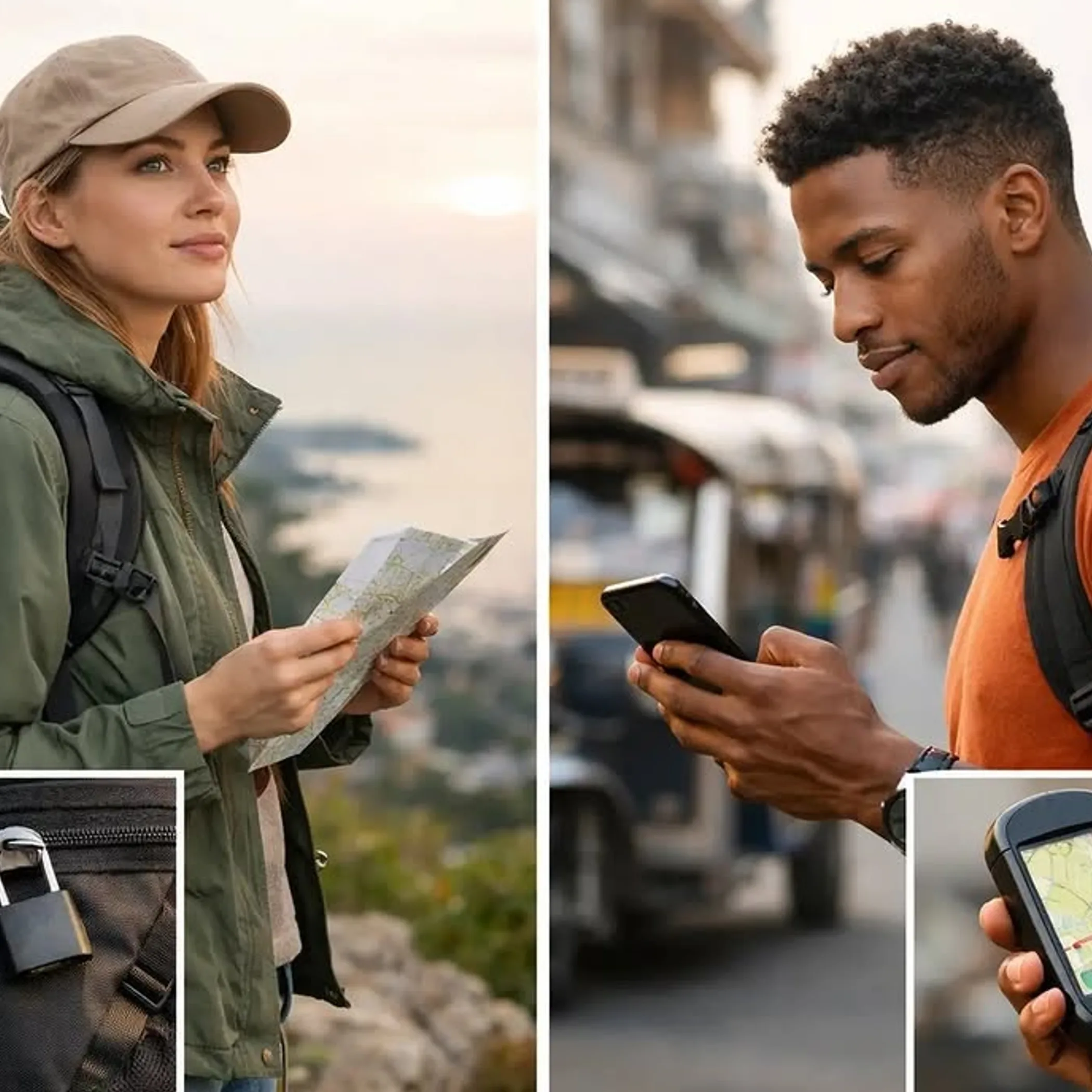
Overseas conceptions of the Australian bush tend to be a touch overwrought. There are venomous creatures here but they are not in general queuing up to have a look at your ankles.
In regional and remote Australia the real dangers are the lack of reception, fatigue, the heat, road conditions and bushfire warnings. Do not let the map fool you into thinking the logistics are as flat as a pancake.
Remote Roads And Trails
Timing is where most go astray in planning an outback run. What is four hours on paper turns into six or seven with the weather, wildlife, corrugations and time for fuel and photos thrown in. Allow plenty of daylight and room for delays on the Stuart Highway or a track like the Gibb River Road.
If you have a day to tour inland, pick a well-trafficked bit near a major base. Do not delude yourself into a heroic loop of the whole Red Centre. Some of these drives are not for beginners, in the wet season or if you are not used to gravel and floodways.
Bushfire And Weather
With the warmer months in the southern states, Australia bushfire safety 2026 is of particular note in semi-rural and forested country. Check for any closures or heat alerts prior to a drive or hike. You may regard it as annoying bureaucracy when a park or track is shut down in dangerous conditions but the system is merely ensuring you do not end up trapped.
The wet season and the threat of cyclones, a regular occurrence from November through April, dictate the kind of travel risks one encounters in the north. A road may be shut or floodwaters put in an appearance with little warning; what was an acceptable route yesterday is not today. In places like the NT, WA and Far North Queensland, do not take it for granted that every road on the map is open to use, make enquiries as to wet season access.
Snakes, Crocs And Smaller Pests
There is no need for melodrama when dealing with venomous creatures, just respect. On a bush track put on some enclosed footwear, be mindful of where you put your hands and feet and keep out of long grass or under rocks and logs. Should you come across a snake, retreat at a leisurely pace and let it go. Distance is the answer, not something out of a film.
Then there are mozzies, which can be a nuisance of a more pressing order. Put on repellent and cover up at dusk in the marshes or tropics. As for croc country, stay off the water’s edge unless it is plainly marked safe and do not dangle your feet over the bank to clean fish on the off chance you are feeling optimistic while on holiday.
Move Around Without Making It Harder
While getting about in an Australian city is for the most part simple, visitors have been known to let fatigue and poor late-night judgement get the better of them, or to entertain long-distance driving notions better left to fiction. Make the uninteresting call early and you will be safer.
You will not find extreme levels of urban danger or transport issues here, but they can put a dent in your trip or finances all the same. Be practical, not paranoid.
Roads, Cars And Regional Driving
An international visitor will often put a lower number on the kilometres involved in an Australian drive than is warranted. There can be hundreds of kilometres to the next services on a seemingly manageable run. When you put a car on hire, look over the tyres and spare wheel, get to grips with the fuel policy and roadside support, and any limitations on unsealed roads. Do not assume your insurance will cover everything.
In the regions where wildlife is thick, refrain from driving after dark or at dawn and dusk if you can help it. Fatigue, livestock and kangaroos mix poorly. And if a road train has you in its wake, be predictable and allow it space. They are not going to stop because you ask nicely.
Urban Transport And Personal Security
Exercise normal awareness with public transport and stick to a good rideshare or licensed taxi in the city. Be wary of leaving a phone on a café table and show some caution in the entertainment precincts of a night. Theft happens in Australia, it is just not so theatrical about it.
The scams a traveller might run into are of a low order: card skimmers, distraction theft in a crowd, an unlicensed operator running up the bill or a spurious booking site. Book with those who are established, verify the plate before you get in and hold on to your receipts for pricier items.
Keep Money And Data Secure
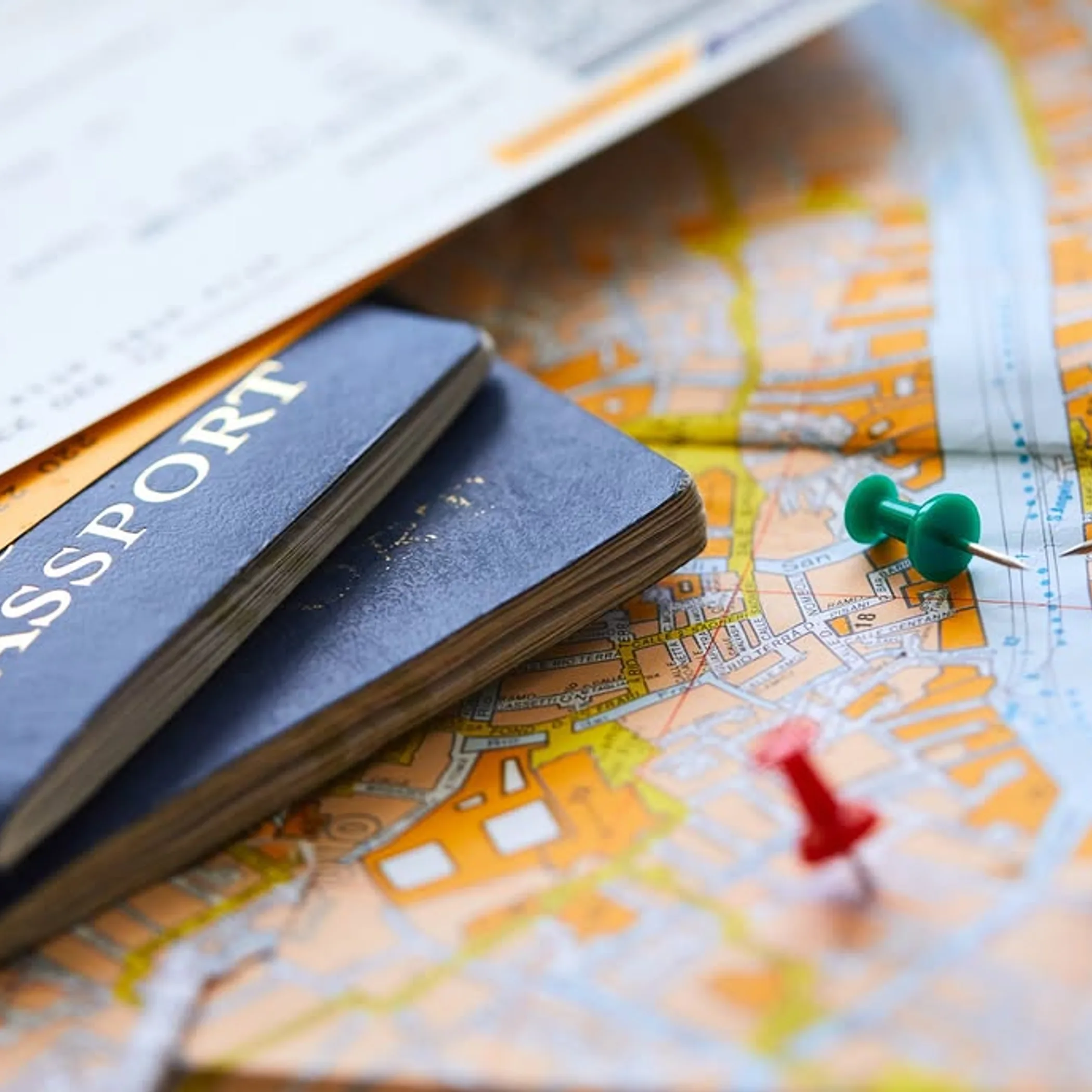
It is common to see people looking after their passport but then giving away their digital existence to the first free hotspot called Airport_Guest_Probably_Fine. Your tech and money should be afforded the same consideration as the zip on your backpack.
There are small habits around device charging, card use and public Wi‑Fi security that stave off losses of an annoying nature. No drama required, just some awareness.
Cards, Cash And ATM Sense
You can pay by card in most of Australia, but have a little cash to hand for an outage or if you are in the regions. Where you can, use an ATM in a secure spot or at the bank. Make sure nothing odd is attached before you put your card in and do not let it out of your view.
One is frequently asked whether 3,000 AUD will see you through two weeks in the country. For a single person making do with hostels, budget rooms and unpretentious food, it can be done, though in the big cities or with domestic flights and tours to factor in it will be tight. By world standards Australia is costly and part of your safety plan should be your money plan; being short can lead to some bad decisions when it comes to accommodation or timing.
Phones, Wi‑Fi And Batteries
Before you go, back up your documents and put a strong lock on your screen. Public networks are not the place for banking or sensitive logins without the right protection. A VPN is a sensible precaution for the Wi‑Fi in an airport or hotel.
And do not overlook the rules on cabin baggage for power banks; lithium batteries are to be in your carry on, not checked in, subject to what the airline allows. Check with your carrier. You will not think much of it until an employee has to take the battery pack you have put in the wrong bag.
Know What To Do In A Problem
Emergency planning is not glamorous but it is useful, and in an ideal world you would never put it to the test. But an ideal day is no strategy.
Spend a few minutes putting in place a plan and the necessary contacts and apps before you set off for the bush or a long stretch of road. It can save you hours. Local Tools and Emergency Numbers
Local Tools and Emergency Numbers
An emergency in Australia means dialling 000 to get the police, fire or an ambulance. Should you be in a more isolated part of the country, make sure to give your position unambiguously with GPS coordinates, kilometre posts, road names or any other landmark at hand; do not put it to your phone to resolve a patchy connection in remote terrain.
As for official alerts and emergency apps, they are different from one state or territory to the next. Put in the time to download the local tools for hazard or weather updates ahead of a regional trip. And if you have a route where reception is of concern, find out from the park staff, a visitor centre or your host where the black spots tend to be.
Contact Routine and Registration
Australians making plans for home or abroad would do well to watch the Smartraveller travel advice if relevant to outbound or onward planning, while those coming from overseas should have Smartraveller advice on their radar for outbound or onward travel. On a remote hike or drive, set a time to check in and let someone know what route you are taking.
And a first aid kit is worth having: stock it with sunscreen, tweezers, rehydration salts, personal meds, antiseptic wipes, bandages and something for pain or blisters. In the bush you will want to put in some extra water, a torch and a power source as backup.
- One does not go on a regional drive without seeing to the fuel range, the roads, the weather, water supply and phone coverage, nor the latest local advisories.
- A day at the beach calls for a look at the flags, the patrol status, tide and swell, and whether the children are up to it.
Packing For The Conditions
There is a certain utility in boring when it comes to packing for safety. It allows for the rough tracks, the delays, the over-air-conditioned flight and whatever heat may come along. Given the size of the country, “warm somewhere” is hardly a category for seasonality.
The Reality Of Seasonal Packing
The reality of the seasons in Australia is that the south in summer has its share of heatwaves, UV and the odd bushfire closure. Up north the wet season will see storms, flooded roads and mozzies that seem to have a right to be there, while in the dry times dust and distance command respect. So pack a rain layer, sun gear and good shoes even if the forecast is complacent.
Some travellers think a single suitcase will do them from the laneways of Melbourne to Cairns via the Red Centre. You would be wrong to expect glamour; plan for a day your shoes do not dry and for harsh sun and cool evenings. Electrolytes are a must.
- In your cabin bag keep your ID, insurance papers, chargers and a power bank.
- Also SPF 50+, a hat, sunglasses, insect repellent and a refillable bottle of water.
- Enclosed walking shoes and light layers for when conditions are variable.
- A rashie, towel and some dry clothes for the return drive on a beach outing.
- For the region, take offline maps, a few snacks and a first aid kit.
Common Questions

For those who prefer the truth to the brochure.
What Is The Safest Country In Australia?
Australia is one country so the question is confused. As for the safest part, there is no one answer that holds in all cases. With the right preparation for the remoteness, the heat or the surf, the major cities and regional towns are safe enough.
Is 3000 AUD Enough For 2 Weeks In Australia?
If you are travelling on a budget, 3,000 will see you through 14 days provided you are judicious with food and transport, stick to low-cost lodging and do not overdo the paid tours. But it is no stretch for peak season or long domestic flights. Better to have the funds for some flexibility with accommodation or the weather.
Where Not To Travel At The Moment?
Put aside social media drama and rumours. Steer clear of any place with cyclone or flood activity, marine hazards, a bushfire warning or a road closed. See what Tourism and Events Queensland or Tourism Australia have to say about disruptions in your destination and refer to DFAT or Smartraveller as the case may be.
Current Travel Warnings For Australians?
They can change in a hurry and differ by where you are going. Overseas bound, consult DFAT and Smartraveller for every country and transit point. Within Australia, before you head to another region, look at the local emergency agencies and any hazard or weather alerts, as well as transport updates from Infrastructure.gov.au.
Do I Really Need Travel Insurance For Australia?
For the most part, yes. A 2026 travel insurance for Australia is worth having to put your mind at ease over medical bills, a stolen possession or rental car trouble, cancellations and the like, no matter how careful and in good health one may be. What people do is go for the policy with the lowest price and think it will cover every delay and gadget and adventure. Do not make that error; take the time to see what the claim conditions, excess and exclusions are.
Travel Well, Not Recklessly
There is nothing exciting about the soundest of Australia travel safety tips but they are the best: heed the warnings, have some water, confine your swimming to where the flags are put up, put some aside in the budget, don’t be driving when you are fatigued and pay attention if a local tells you the conditions have changed. One is rewarded for being prepared in Australia and made to pay for any swagger.
I am being emphatic because the majority of travel troubles can be traced back to a single decision that was thought to be of no consequence, be it an ill packed bag, a forecast put aside, a late drive or an extra swim. Sensibility and curiosity will leave you all the more able to savour the finer things, from a morning on the harbour to a bush track or a stop at the bakery.
