In 2026 there is no better time for a trip to Kakadu National Park than from May through September. You will find the roads more reliable, the walking conditions agreeable and a wider selection of visitor sites open for business. The dry season is the obvious way to go for a first timer, though those willing to put up with some uncertainty over access will be rewarded by the late wet or shoulder months with stronger waterfalls, less crowds and a greener country.
I am Eliza North and my travel advice has a way of pointing out where a fine notion turns into a matter of logistics and sweat. Kakadu is an extraordinary place, with the scenic Arnhem Land escarpment adding to its rugged character, but one does not expect every track to be at your disposal like in a theme park. Your plans will be dictated as much by the weather, unsealed roads, seasonal closures and crocodile safety as by any itinerary you put together.
Choose Your Travel Window
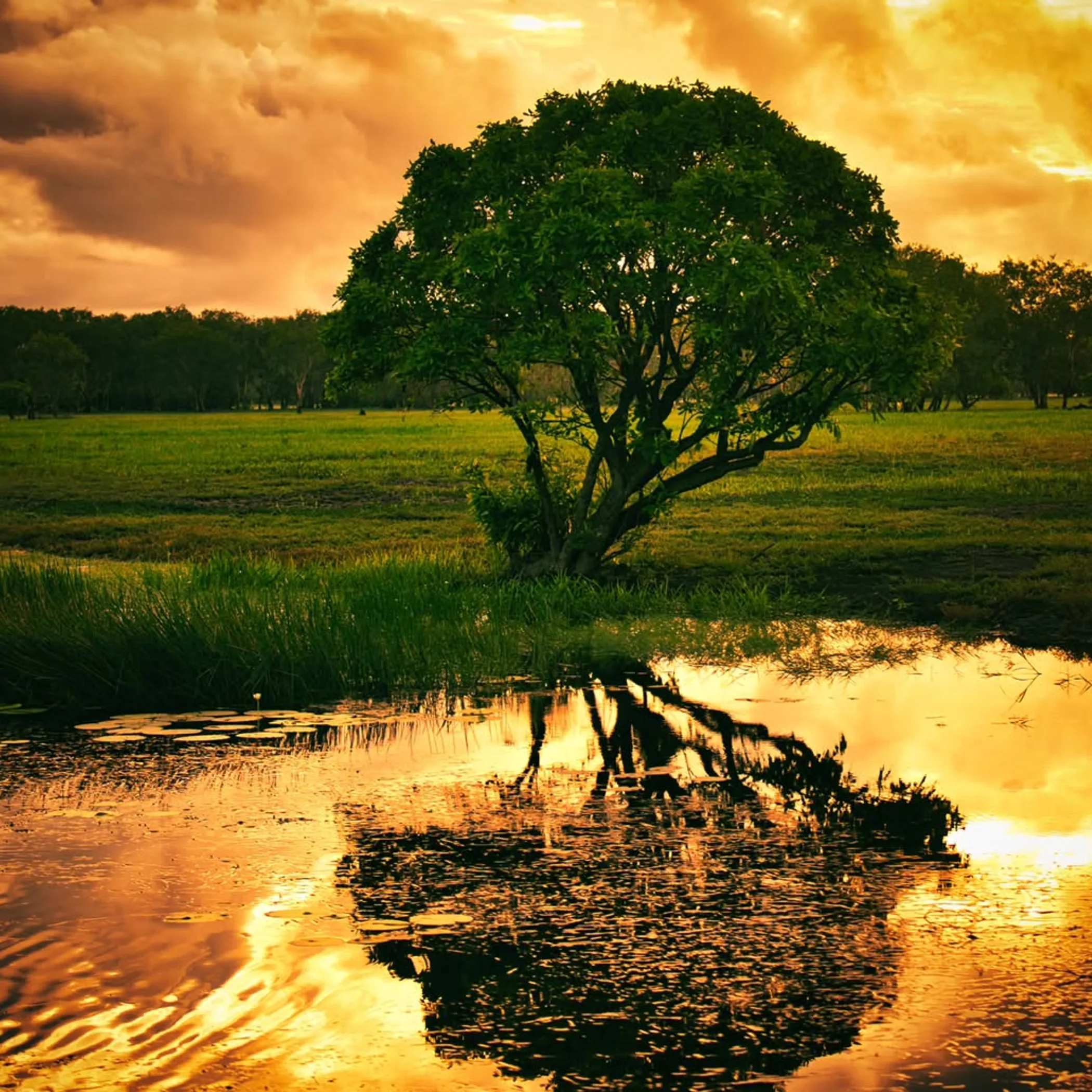
The Australian calendar in general puts the dry season in Kakadu between May and October and the wet from November to April. But the Bininj have six seasons that tell you more of what is happening on the ground.
Travellers will do well to make for the May to September window for its cooler nights and the surety of the sightseeing. It is also the most popular time to be here; come school holidays and you can expect the car parks and accommodation to be in demand.
Quick Seasonal Comparison
| Travel period | Typical experience | Best suited to | Main caution |
|---|---|---|---|
| May to June | Retreating water and improved access to the road | A start to the dry season away from the bustle, good for photography and the waterfalls | Flooding may have left some roads and sites off limits |
| July to September | Predictable access, lower humidity and skies to match | Rock art, birdwatching and the like for those visiting for the first time | Cool mornings and the peak of demand |
| October | Humidity and heat build before the storms set in | Those with a flexible approach to the temperature | Status of some roads and facilities can change |
| November to April | Tropical summer with its share of storms and rainfall | Wet-season scenery and the odd guided outing for the experienced | Roads can be limited, add in lightning and flooding |
Do not take these patterns as any kind of guarantee. From year to year the weather in Kakadu is apt to differ so it is prudent to consult Parks Australia’s official information for the park once you are done in Darwin.
Understand The Bininj Seasons
With the six Bininj seasons you get an idea of how the rain, the country and the animals behave, which is more telling than a calendar would have you believe. They account for why one month can feel worlds apart from another. While you will see the names below in visitor literature, local knowledge is of a piece with the place. Consider them a working introduction and defer to the interpretation of the Bininj.
Six Seasons, Six Conditions
Kudjewk is the tropical summer of high humidity and monsoon downpours. Water levels shift fast and a passing storm in the afternoon can make of a dusty car park something of a mud pit. Expect flooded roads and closed tracks.
Then comes Bangkerreng in the wake of the heaviest rain. The floodplains are under water and the plants put on a show. Photographers will find it rewarding if the creeks and roads allow for a trip to Jim Jim or Twin Falls.
Yekke is a drier, cooler time to be out. The country dries out and you can observe the wildlife at your leisure on a morning walk.
Wurrkeng is as cool and dry as the Top End gets in the morning. A good time to put in some long drives or a cruise on Yellow Water Billabong and see the rock art without the full force of the summer.
Kurrung is hot and dry. Animals congregate at the billabongs where the water is. Make an early start and bring water; a blue sky is not to be taken as mild weather.
In Kunumeleng the wet is building. There is heat and humidity and the clouds roll in for the first of the storms. The light is fine but the day to day is less predictable.
Make The Dry Season Work
If you want to see a number of regions in the course of one visit the dry season is the dependable route. With the humidity down the walking is not such a chore and you are more likely to find the sites open. July and August draw people for cause. Then again, your own priorities will determine the best month; September has its appeal for the dry track even if the heat is coming on, and May or June will give you your waterfalls.
Advantages of the Dry Season
An early start is to be expected. As the morning wears on, the heat will make open rock and exposed tracks seem hotter than the figures would have you believe. With the addition of heat, rough terrain, a few stops for photographs and prudence in turning back before it gets unsafe, a ten-kilometre walk is more than the distance alone.
Distances are something most put down to less than they are in Kakadu. The map presents an orderly route but the drive is another matter: unsealed roads, road trains by the Stuart Highway, slow traffic and time spent with wildlife. The territory is vast. Make sure your fuel is full and have your information downloaded while still in Darwin where one can count on better mobile reception.
Things That Trip People Up
There is an assumption that the dry season puts all attractions at your disposal. Not so. Roads may still be off limits from wet-season damage and getting to the likes of Jim Jim or Twin Falls might call for water crossings and some walking under seasonal rules. See what the site notices say before you put aside a day for any given spot.
Then there is the error of packing solely for the heat. Mornings can come as a cool surprise, especially out on a cruise or prior to sunrise. You will want a light layer, good sun protection, insect repellent and sturdy shoes as well as more water than seems necessary. The mozzies are very well organised.
The Wet
Do not think of the Kakadu wet as the dry with some rain. It is a tropical summer that rewrites the rules on the roads, on swimming and walking, on the wildlife and how many sites are within reach.
You will get intense bursts of rain, flooding, lightning and wind. Some are drawn to the colour and drama of it; after a long drive others are not so taken with a closed road.
Wet-Season Rewards
For birdwatching, dramatic cloud and the sight of green floodplains and waterfalls in action, Kakadu in the wet can be quite magnificent. In places like Kunumeleng and Kudjewk the park is at its most vigorous, water running through country that will be dusty and dry later on.
It is sensible to go with a guide at this time of year. They know which routes are workable and will keep an eye on conditions. A local can also tell you why a floodplain that appears empty is of consequence, what animals are about or why a pool is no place to be despite its looks.
Limitations
Unless a site is designated safe and open, do not make plans to swim in the wet season. With saltwater and freshwater crocs, strong currents and the odd submerged hazard, it is not a gamble worth taking.
Roads can become inaccessible on short notice so have a backup plan and see to your food, water and phone charge. Bushfire is a dry-month concern, but in the Top End the wet brings storms, cyclones and floods to contend with.
Matching Your Activity to the Month
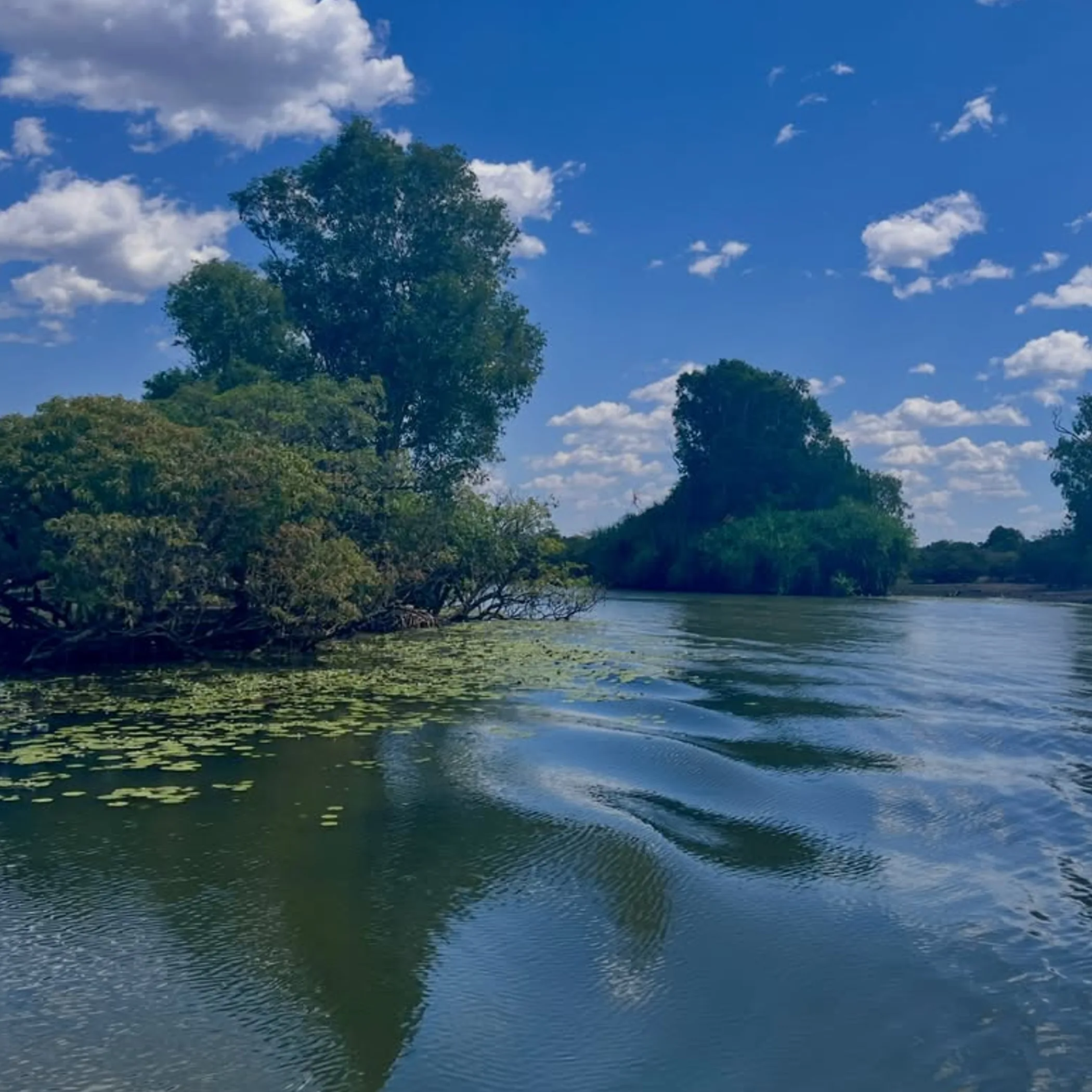
If you take the activity you are after as your starting point, Kakadu makes sense month by month. There is a different time for a long walk, for rock art or a cruise. Put together a regional route instead of trying to cover every site in a single day. One could go from Darwin to the South Alligator, on to Jabiru and Nourlangie and then Ubirr and East Alligator, provided the roads are in order.
A Guide to the Months
May: The country is green and water is still much in evidence. Some of the wet-season closures hold, so verify access to remote waterfalls.
June: For the photographer or those wanting to avoid the winter crowds, the shoulder season has much to offer in the way of improving conditions.
July: One of the favourite times for dependable sightseeing and dry tracks, if not for the cool mornings. Reserve your cruises and accommodation in advance.
August: Good for the rock art and birders and for putting in longer walks, though expect the heat and numbers to build around midday.
September: Hotter but as a rule accessible and dry. Leave the galleries, driving or a rest in the shade to the middle of the day and do your walking in the late afternoon or at dawn.
October: Can be spectacular but also humid and hot. The heat is tiring for some and with the possibility of storms things are not as predictable.
November to April: Tropical summer in all its intensity. Rainfall will be heavy and there are likely to be closures. Go only with an itinerary you can alter.
Where to Find the Best of the Season
For waterfalls, the late wet or the beginning of the dry is generally best, once the cascades have been fed and you can get to them. Rock art is often at its finest in the dry when the viewing areas and tracks are open.
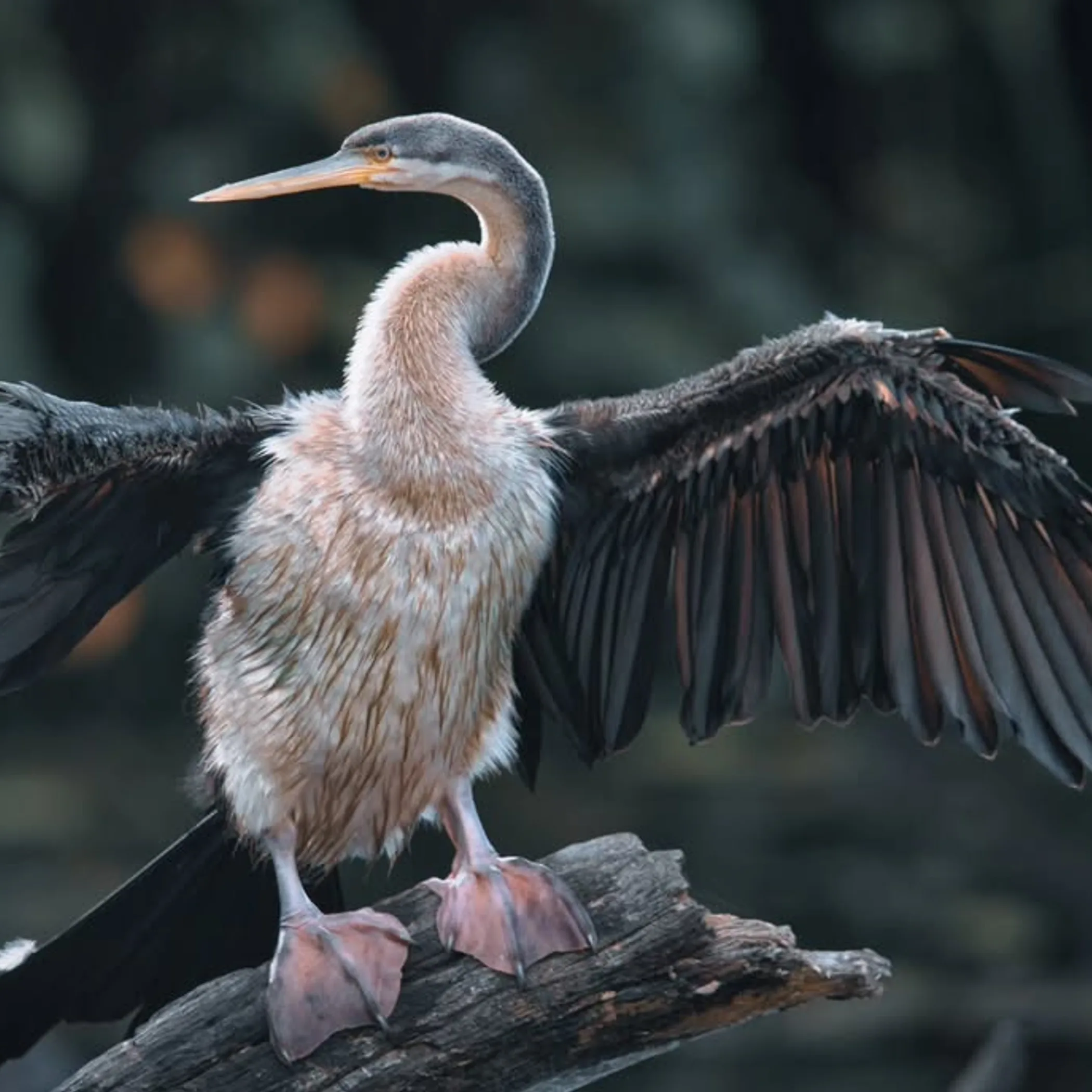
You will find wildlife in these parts all year, though a more leisurely pace is to your advantage for observation. A guided cruise on the Yellow Water Billabong is an excellent way to put wetland birds and the like in view; the floodplains are best for the patient watcher in the early morning.
By Interest
Waterfalls: make May and June your priority but do check on road access and what is required of you on foot. The likes of Jim Jim and Twin Falls can be more taxing physically and in terms of time than a photograph would have you believe.
Rock art: the dry season is when to go to Nourlangie or Ubirr, provided they are open. Make time for the cultural interpretation instead of a hasty photo op and leave the paintings where they are behind the barriers.
Wildlife: opt for the hours before and after midday or a guided cruise. Bring binoculars for any serious birdwatching as the day’s heat has most animals in cover by then.
Swimming: stick to the pools that are sanctioned for it and heed the signs. Do not be under the impression a billabong is safe simply because it looks clear. In Kakadu there is no such thing as optional when it comes to croc-wise conduct.
Your Season
First timers, families and photographers will find the dry season conducive to an untroubled road trip. Those with a flexible disposition may prefer the shoulder season; you might have to forgo a particular site here and there but are rewarded with less traffic and better waterfalls to look at. The wet season is for the seasoned traveller or a guided party that does not mind altering plans. It is not for anyone who has a fixed agenda for remote places or little patience for the humidity and cancelled access.
Reality Check
Kakadu is not some compact sightseeing circuit as one might think; the park is of a size that demands time from region to region.
The wet season is not necessarily cheaper or more tranquil. You may come by accommodation with less trouble yet be denied the activities that were the point of the trip.
And while a waterfall may seem a short walk from the car, the terrain and seasonal rules can render a remote site out of reach or hard work.
An Itinerary That Makes Sense
For a proper introduction to Kakadu put aside three days, five for something more even, or longer to have the luxury of weather and remote excursions. One day in a hurry will acquaint you with a region but is hardly representative of the entire park.
From Darwin the drive in can take several hours contingent on traffic and where you break for it. Put yourself in a fit vehicle, see if a four-wheel drive is called for and enquire at your accommodation as to fuel and road conditions prior to leaving.
Trip Lengths
One day: a sampler only. Get an early start from Darwin with lunch and water and head for an accessible spot like Ubirr or Nourlangie if it is open, leaving plenty of margin to get back.
Three days: enough to put in a regional drive, see some rock art and the escarpment and have a wetland experience at Yellow Water Billabong. Two remote attractions in a day is not to be done.
Five days plus: sensible for those who do not want to run their holiday from the dashboard. You can be flexible about the weather and put in the longer walks at Jim Jim or Twin Falls.
- Before you set off, have your permits and accommodation in order, refuel, stock up on food and water and let someone know where you are headed. Make sure to have sun protection with you and do not venture off the marked tracks in the day. Heed any crocodile warnings and forgo a walk when the heat is at its peak.
- On any remote drive, first check that you know the way back, what your vehicle will need, where you can put fuel and the extent of reception.
A Budget For The Actual Trip
Whether you are in a hire car or on a guided tour, camping or in commercial lodgings, Kakadu will run you different amounts. Put aside something in the order of 150 to 300 AUD a head a day as a working figure for 2026 to cover your accommodation, food, fuel and the odd activity, flights and top end tours aside. Do not think of it as a set tariff, availability and prices are fluid.
You will find less flexibility in the way of food once you put some distance between yourself and Darwin and accommodation close to the more sought after sites is in short supply. Stock up on water, snacks and the like before you go into the park and have a contingency for an extra night, a detour or more fuel.
Some FAQs
The sort of questions I would want answered before being given an itinerary. Kakadu is good to the curious but will not put up with assumptions.
Is there an ideal month for a trip to the national park?
If it is your first time, July tends to be the safest bet; humidity is down, things are dry and access is what you would expect. One can get out in May or June for a bit of waterfall flow and to see the country at its greenest, or in September for dry going provided one can stand the hotter days.
How long should you put aside for Kakadu?
Three full days is the bare minimum, five if you prefer to take it easy, and more for the weather and to do cruises or get to those out of the way waterfalls. You could make a day of it in one region but you will not be doing Kakadu justice.
Litchfield or Kakadu?
They are not opponents in some kind of bushland boxing match. Litchfield is the easier option for a brief foray to the swimming holes and waterfalls with minimal driving. Go to Kakadu for the rock art of the Aboriginal people, the wetlands, wildlife and the scope of the landscape.
Any time of year to avoid in Darwin?
You will not find a month that is unworkable, yet from November through April the tropical climate, storms and the wet season can be trying. The cooler months of the dry season are preferable if you want to be outside without the humidity.
Do you have to have a four-wheel drive for Kakadu?
Not for the major sites so long as the roads are open, though a conventional car will not do on some of the remote tracks or in the wet season; then you need a four-wheel drive or a tour operator. And do not be tempted to follow another car across a flooded road. See what the current advice is before you leave.
Decide on your Kakadu
The 2026 plan does not have to be complicated: come between May and September, put in three full days and concentrate on one part of the park each day instead of running from one pin on the map to the next. The shoulder season is fine for a greener, quieter time if you are amenable to access being a little changeable.
Give the park the time it deserves and you will see it at its finest. There is local interpretation to be had and light to be watched on the Arnhem Land escarpment. A track that is closed is not meant as an affront, the country is just saying you should come back another day.
