For a visit to the Flinders Ranges and Uluru in 2026 the cooler months of April through October are ideal. One is most comfortable on foot or behind the wheel from May to September. Should you be after the spring wildflowers of Ikara-Flinders Ranges then August to October is the time; for Uluṟu and Kata Tjuṯa where you want a crisp morning and no trouble with the daytime heat, stick to the May to September window.
I am Eliza North. I like my travel advice to go beyond the brochure and put things in perspective: why an outback itinerary can get rough if you are short on water or fuel, how early one has to be up and about, and when the heat is a real issue. For an Adelaide to Uluru tour, that same planning matters. A trip that takes in both the Flinders Ranges and Uluru is well worth it but you will be putting in some serious miles across South Australia and the Northern Territory. Pick your season and it is the difference between relishing the landscape and asking yourself what possessed you to bring jeans.
Picking The Season
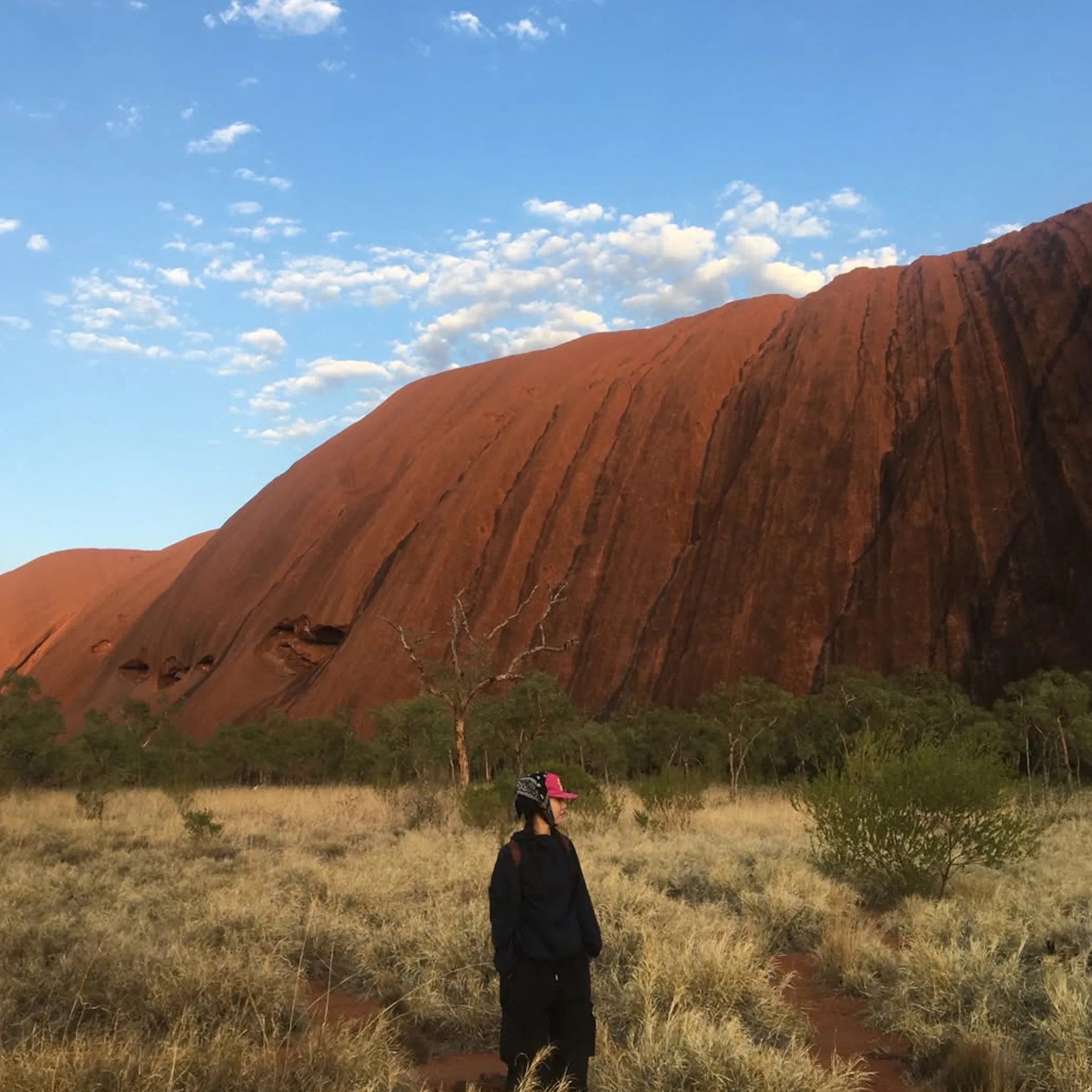
April to October is the prime window for a combined outing. You will find better going for a long scenic drive or a bit of bushwalking and hiking, and the days and nights are more to your liking.
First time around? Make it May to September. October is fine in the Flinders Ranges for the most part though the exposed tracks will start to show the warmth. An outback veteran may venture out November to March but expect to have to plan around the heat, any storm activity and the odd national park closure.
| Travel period | Flinders Ranges | Uluru / Kata Tjuṯa | For whom |
|---|---|---|---|
| April – May | Autumn colours make for pleasant walking, cooler in the mornings | Good conditions for sunrise and sunset, far better than summer | A traveller after a balanced trip |
| June – August | Hiking is excellent with clear days and cold mornings | A favourite with those who put in the planning; expect cold nights | Families, photographers, walkers |
| Sept – Oct | After a rain there is a chance of wildflowers and warmer days | The heat is more of a factor on an open walk | Those with the Flinders Ranges in mind and wildflower chasers |
| Nov – Mar | Outdoor sightseeing and walking can be curtailed by very hot conditions | Midday plans and tours are subject to the heat | Flexible and experienced |
The Case For May To September
You do not have the sensation of being put in an oven when you set off on a walk in these months. In the Flinders Ranges an early morning can be of the cold variety but once the sun comes up the lower temperatures see you through a longer distance.
At Uluru you can take in the Valley of the Winds at Kata Tjuṯa or a sunrise without the thermometer running your schedule. Do not leave it to the last minute to book accommodation or a guided experience of note; they tend to be taken during this time so have your arrangements in order before heading north.
On The Weather In Flinders Ranges
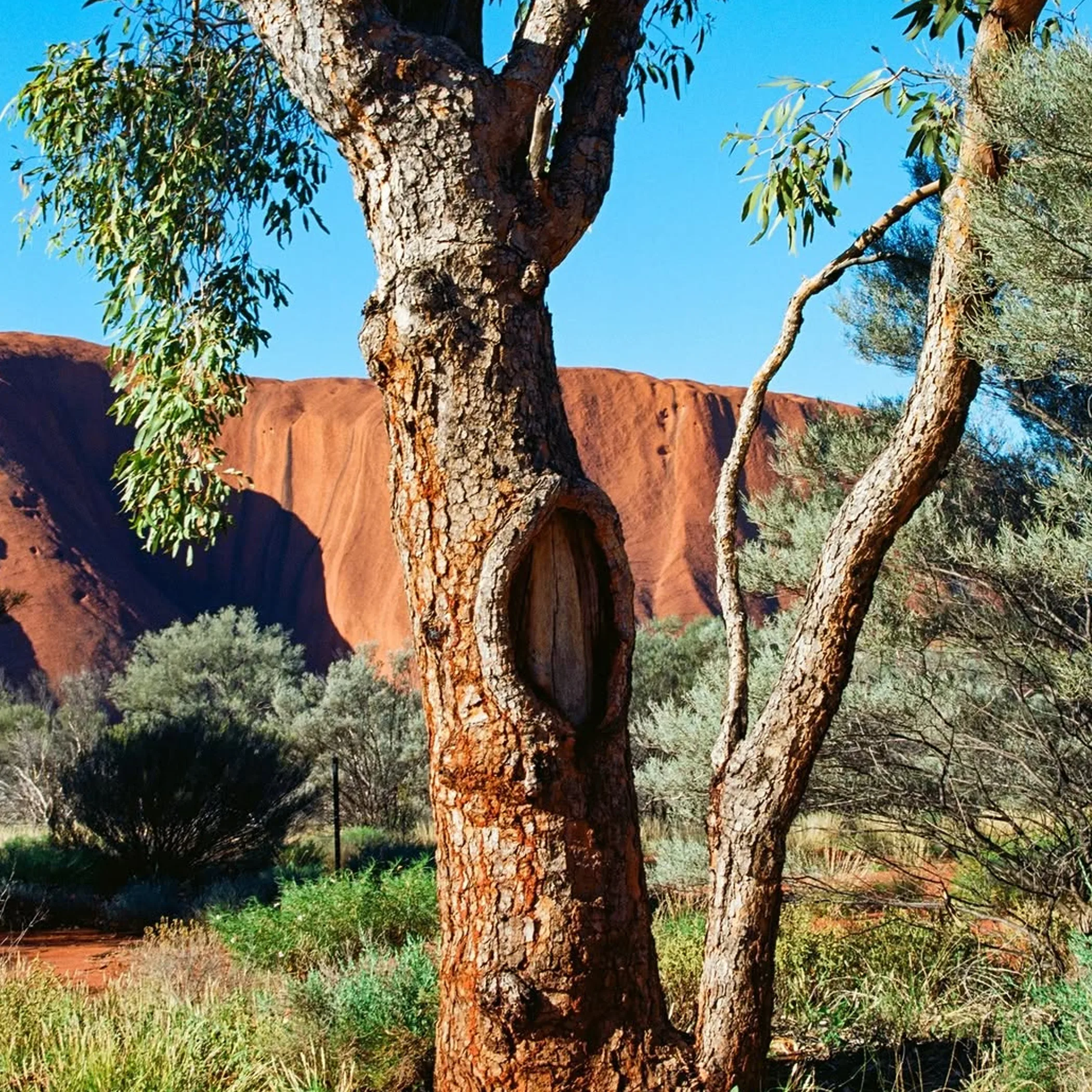
There is a sharpness to the change from day to night in the semi-arid landscape. A winter day under the sun can be warm enough but come evening you will be glad of your sleeping bag.
Do not think of rain as belonging to a particular season. A good fall will put colour in the ranges and flush the wildflowers but it has its effect on unsealed roads and can mean a delay or closure on a station track. It is wise to check road conditions prior to straying from the main route.
Easier Walking In Autumn
With the worst of the summer heat behind you and the days still long for driving, April and May are good transition months. You could put together a week in the Flinders Ranges with some time at Wilpena Pound and a rest day to spare. But nothing is a given here; a cold front will bring its wind and rain or you may run into a hot spell. Put some layers in the car instead of relying on a forecast from a few days back.
Clearer Tracks In Winter
Serious hikers will find June to August the most agreeable. Exposed spots can be near freezing in the morning but the moderate temperatures and sky make for fine walking. It is also when the numbers of visitors pick up so accommodation in the Ranges, in and around Wilpena Pound for instance, can be in short supply. For a powered site or family room, or to secure a place on a given tour departure, it is wise to put in an early booking. One would be hard pressed to find a bed by turning up late and putting one’s luck to the test in the bush.
Spring Rewards for the Flexible Traveller
The Ikara-Flinders Ranges have their moments in September and October, winter rain having put on a show of spring wildflowers. But as the displays are not consistent from one year to the next, consider them a bonus, not something to count on.
It will be warmer in the spring and the exposed tracks are no easy matter after mid morning. Make an early start, take on more water than you fancy and have a shorter option at hand. Wilpena Pound makes a sensible base to take in the region’s principal scenery in the Flinders Ranges, though access and weather will dictate where you go.
Walks Best Done in the Cool
May through September are the months to be out bushwalking in the Flinders Ranges, although April and October are fine so long as the temperatures are moderate. Timing is as important as your own fitness. What is a simple walk in the cool can be unenjoyable with the sun overhead and little shade to be had.
Do not be under the impression that a short distance equates to an easy time of it; uneven and rocky terrain and steepness will see you put in less ground. Pick walks within your ability and make time for the odd photograph.
Tracks and Experience
| Experience level | Suitable approach | Planning advice |
|---|---|---|
| Beginner | Beginners will do well to stick to the marked lookouts and walking tracks in the vicinity of the visitor areas | An early start and plenty of water is good advice, and in hot weather steer clear of anything isolated |
| Moderate walker | The moderate walker can put in some longer trails in and around Wilpena Pound | Inform someone of the route and factor in extra time for the terrain |
| Experienced hiker | There are steeper range walks and remote station tracks | Have your navigation and emergency gear to hand along with full access details |
Then there is the matter of how long a stop will actually take, something most put wrong. Add in the gravel, cattle, emus making themselves at home on the road and the like, and a drive that seems short on paper is another thing altogether. Put some buffer in the day.
Wildlife
Animals will be shunning the worst of the day, so you are better off in the early hours or late afternoon for a sighting of emus, kangaroos, euros, wedge-tailed eagles or the smaller reptiles, season and location permitting. Resist the urge to feed them, it puts all parties in danger and breeds bad habits. And leave the phone camera for a while; binoculars are of more use and you can keep your distance.
Uluru
For the greater part of the year Uluru is hot and dry, yet there are seasonal variations in Central Australia. Uluṟu-Kata Tjuṯa National Park is at its most comfortable from April to October if Kata Tjuṯa is on the agenda. Those in mind for active days outdoors will find May to September the surest bet. Summer can be too much for an extended walk in the open and the winter nights are cold. The official Uluṟu-Kata Tjuṯa National Park visitor information has the latest on conditions and any alerts to be heeded before you set out.
Sunrise and Sunset
They do not make for a quick postcard. You need to get to the viewing area, park and make your way to the lookout in safety. In the peak months the sunset spots are crowded and a late arrival means being hemmed in. With sunrise it is best to be ready the night before: fuel checked, warm clothes laid out and opening times confirmed. A winter morning can be deceptively cold even if the afternoon is to be warm.
Kata Tjuṯa
A hurried jaunt between breakfast and the evening is not what Kata Tjuṯa warrants. The Valley of the Winds has its slopes and exposed parts and is not for everyone, particularly in the heat or with limited mobility.
Should Uluru be a one day affair, make a plan of some substance: an early call on Uluṟu, the Cultural Centre, a proper walk and the sunset. There is no point in attempting to fit every track in, you will end up with an endurance holiday and a few snacks.
One Trip, Two Destinations
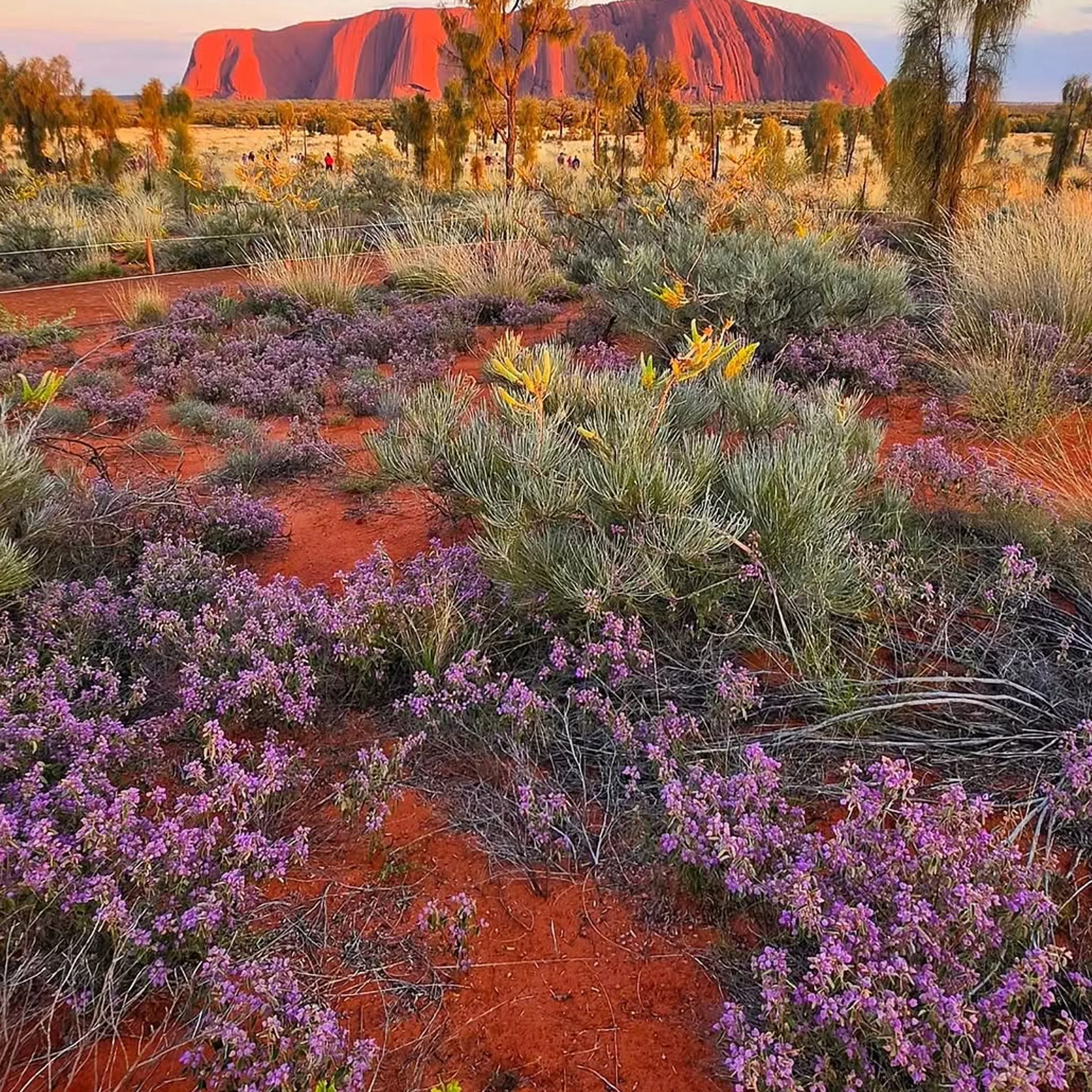
An itinerary that covers both the Flinders Ranges and Uluru is fine, provided you are aware they will not be the same experience. The Ranges may be cold and breezy in the morning and evening whereas at Uluru it is more exposed and to the fore.
There is no better compromise than the months of April and May, or September through to the first part of October. From May on into August one will find walking in either region more of a comfort; in spring there are flowers to be had in South Australia. Should you put wildflowers first, make the Flinders Ranges your main preoccupation and relegate Uluru to the second part of the trip.
Driving Days: Be Realistic
A day’s travel from Adelaide to the Flinders Ranges is something of an undertaking, contingent on where you are headed and the state of the roads. The run from the Ranges to Uluru is far more taxing and not to be done in a casual manner.
Make sure to put fuel in the tank and water in the car while still in a decent town and see that the vehicle is up to unsealed roads. A two-wheel drive will do for the sealed ones but remote tracks are another matter. Heed local advice over what you may have read on some forum.
Who is this for?
Early risers with an appetite for open country and long drives and plans that are not set in stone will make of this trip what they want. It is ideal for a couple or a small group, families with children old enough to put up with the heat and less than plush facilities.
Those who want a luxury itinerary to the minute, short days behind the wheel and good mobile signal would be better off elsewhere. And if rain or a national park closure has you wanting to stick to the plan as written, this is not the place. The outback does not reward bravado, only patience.
Packing for the elements
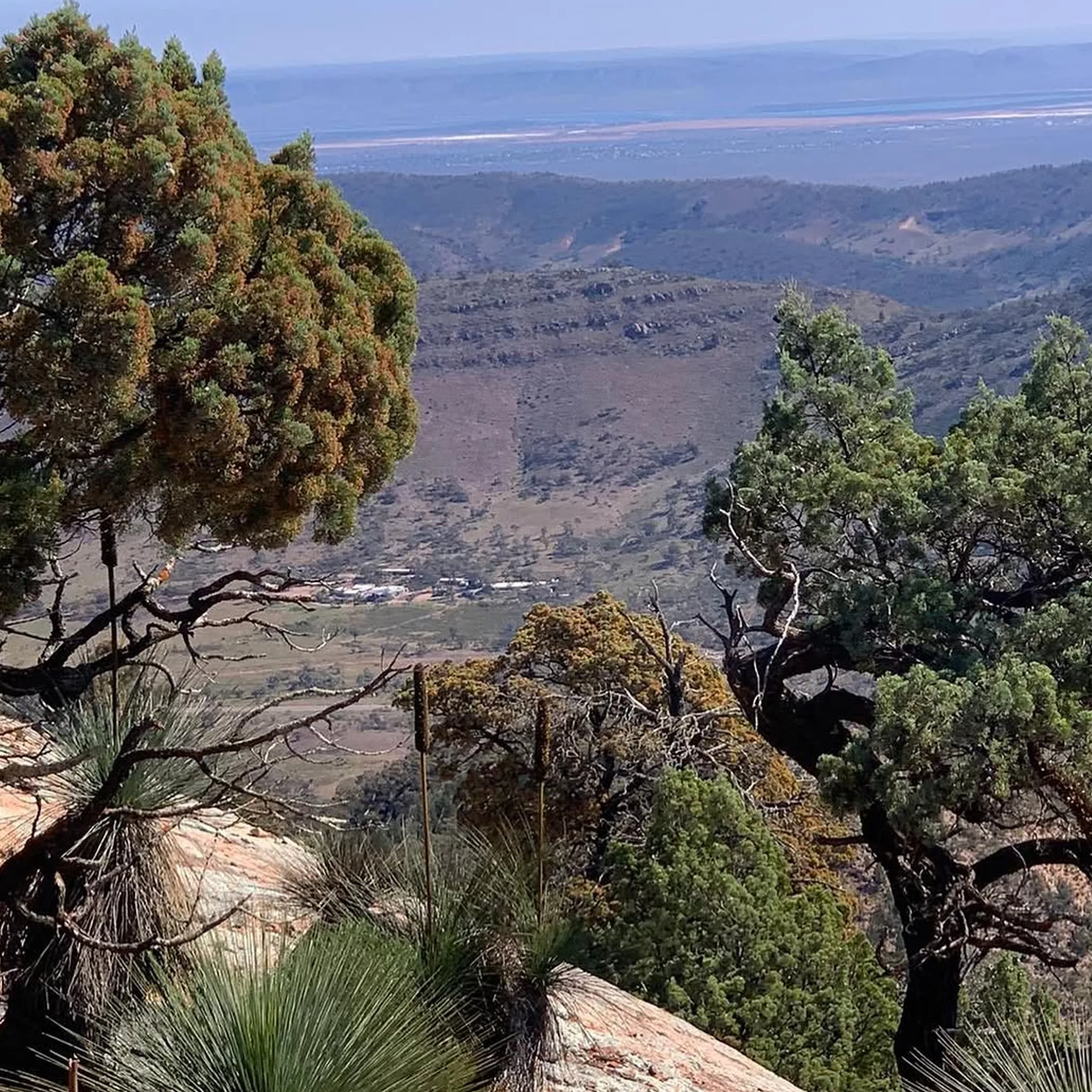
Optimism in packing is ill-advised in these conditions. Sun protection by day, warm things for the evening and shoes that can cope with uneven ground are called for.
- You should have a wide-brimmed hat, sunglasses and sunscreen at hand along with a bottle of water.
- For cold of the morning and evening a warm layer over breathable clothes is sensible.
- Enclosed walking shoes with some grip are a must.
- Do not forget a torch, power bank, insect repellent, a first-aid kit and maps that do not need a signal.
- Have some extra rations and water in case of delays on a remote road.
- Bring cash or the like for where payment options are few.
The business of heat safety
It is not just about having a drink when the thirst takes you. Get an early start on any walk, make use of the shade, put off alcohol until after the hard work is done and be prepared to turn back. Dizziness, nausea or confusion are no trifles.
Under no circumstances should a child or an animal be left in a parked car. See to the tyres, the spare and the coolant before setting out. And since reception is not to be counted on, let someone know where you are going and when you expect to be there.
Before you leave
Roads and weather can put a stop to things in a hurry so check for any warnings, confirm your permits and opening times. Do not think because a track looks well trodden it is open to all; Aboriginal land and park rules vary from one area to the next.
Seven days in the Flinders Ranges
With a 7 day route there is no need to rush and you can accommodate the weather. A shorter time frame is possible but then you have to decide whether to see more of South Australia or get to Uluru quicker.
| Day | Suggested focus | Practical note |
|---|---|---|
| 1 | Adelaide to the Flinders Ranges | Get your supplies of food and water before you are out in the country |
| 2 | Wilpena Pound and vantage points | An early start to the walk, leave the afternoon open |
| 3 | Some longer walking or a drive of the range | Weather and fitness will be your guide |
| 4 | Local sights and to recover | Steer clear of putting one demanding walk after another |
| 5 | On to Central Australia | Do not trust the map for time and shun night driving |
| 6 | Uluru and a walk to suit | Factor in the heat and the notices, and the sun |
| 7 | Kata Tjuṯa or to make your departure | Leave a tough walk for after the long drive home |
For those wishing to be spared the bother of planning the route and finding accommodation, a tour from Adelaide to Uluru is an option. There is a flexibility to be had with independent travel, yet it means you are the one to see to fuel and road conditions as well as food, navigation and any emergency contingencies. Do not be swayed by the headline price of transport alone; when you factor in vehicle insurance, park fees, meals and where you will put your head at night, the cost can mount in a hurry.
This One-Day Plan
A day in the Flinders Ranges should be spent on Wilpena Pound and a walk or lookout suited to your fitness. Leave the long remote tracks and a string of scenic drives for another time; there is no point in trying to do those and make a late return to Adelaide all in one day.
Have your fuel and provisions sorted before you set out. Put in a call to local staff to ask about conditions and see what the forecast has in store. You will have a better experience of a single good walk than you would from hasty photos taken in a car park.
Common Planning Questions
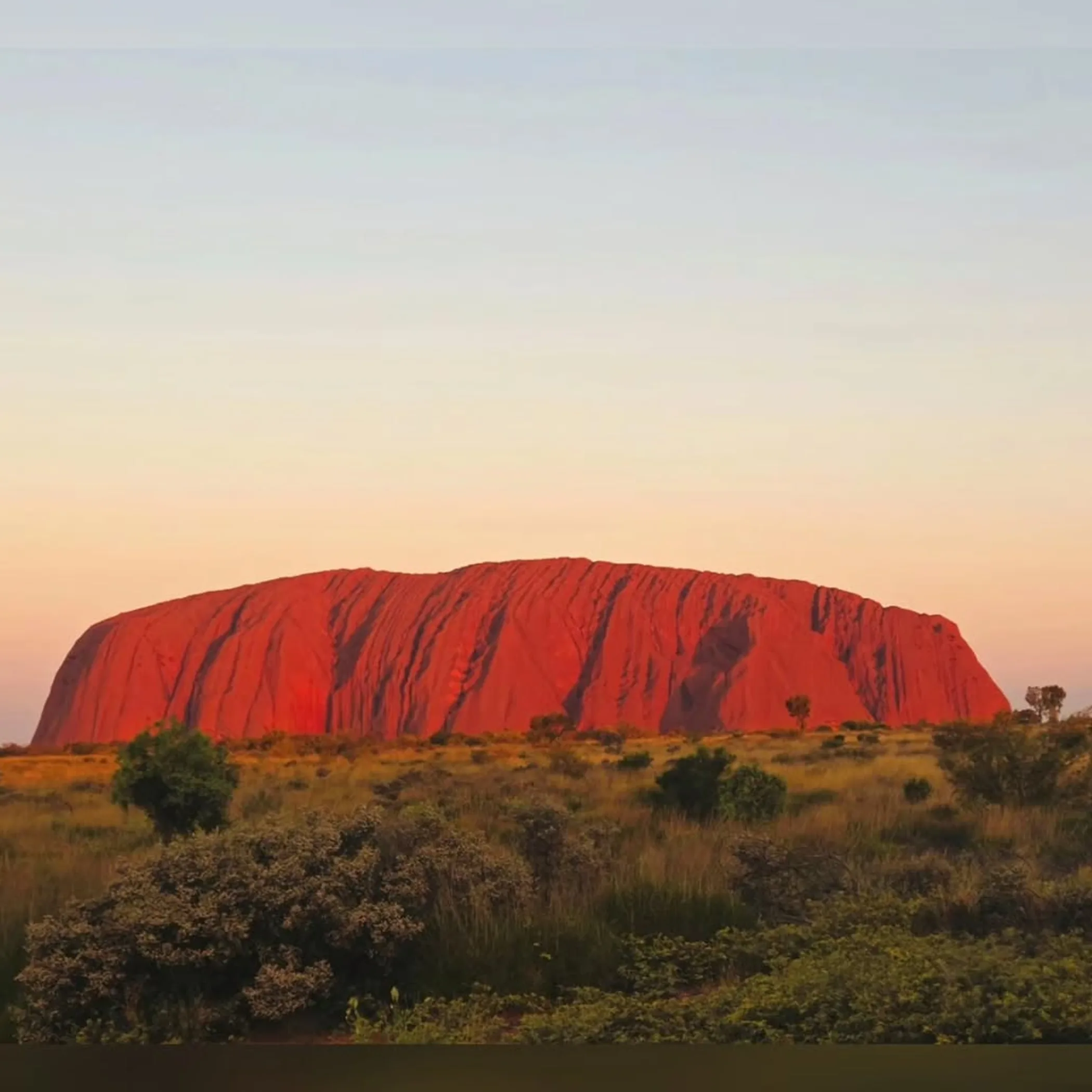
The following are asked of us often enough. Many put together an itinerary for the Red Centre and the Flinders Ranges under the impression they have the same climate, which they do not. Take the answers below as something to work with, not a guarantee for any given week.
Flinders Ranges: How many days?
Three days minimum for a visit that is worth while, five to seven if you want to take things at a slower pace with more walks and some leeway for the weather. In a day you can put in a short walk and see a major viewpoint but you will miss out on what the Flinders Ranges has to offer.
When is the best month for the Flinders Ranges?
For walking comfort we would put forward May through September. There may be spring wildflowers in September and October provided there has been rain, though displays are not to be relied on. May is a sensible option for cooler weather without the winter crowds.
And Uluru?
From May to September one is generally most at ease with the outdoors at Uluru and Kata Tjuṯa. June to August will be cooler during the day if not at night and you will find demand is higher. April and October are fine too so long as you time your walks to the temperature.
Most scenic spot in the Flinders Ranges?
Wilpena Pound is the place to be for most as a scenic base, giving you accommodation and easy access to the big walks and vantage points. But then there are the station roads and other lookouts for a change of view; what is best will turn on the weather and how far you fancy walking.
Is a summer visit to both feasible?
It is, but you have to plan conservatively. Steer clear of the heat of the day and any exposed walking, make sure you have plenty of water and be aware of closures. The outback in summer is for those who can get up early and are amenable to having their plans altered or access curtailed. The cooler months are more forgiving for the majority.
To make the most of the cooler months
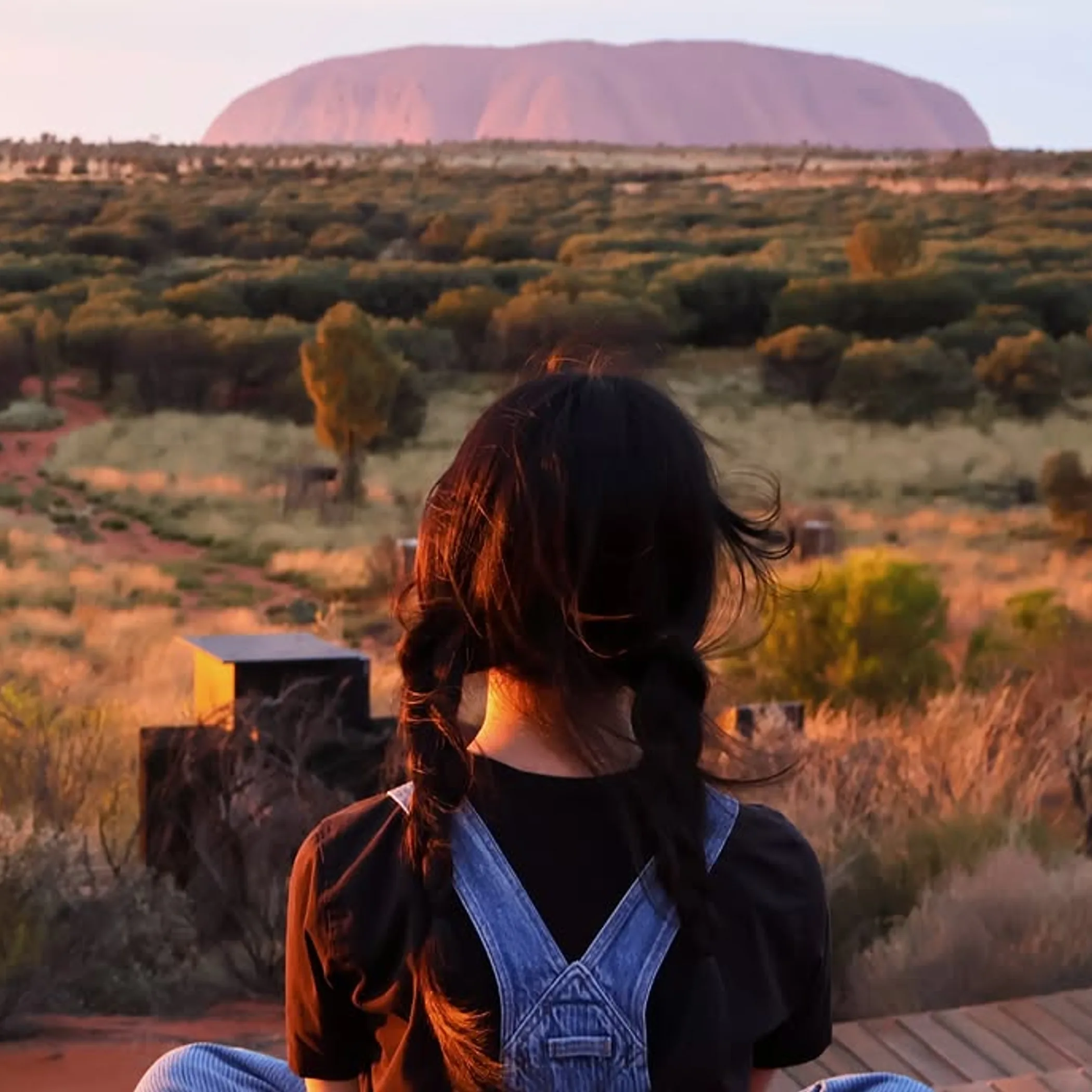
April to October is when to go to the Flinders Ranges and Uluru in 2026, with the period from May to September being our recommendation for trouble free outdoor travel. If you are after the spring wildflowers make it September or October, or opt for June to August to ensure walking is comfortable at either destination.
Keep driving days short, abide by the rules of the park and any cultural protocols and check the roads ahead of any remote stretch. Make allowances for the weather. The outback is not hard because it wants to be dramatic, it is just vast and dry and does not care for your schedule.
